Integration Cloud Oracle: Busting NetSuite Myths
· Blogs
Look, many mid-market companies still believe AI-powered integration is a luxury. They think it’s only for massive enterprises. Connecting different systems, especially with smart features, seems too complex, too costly, or just not worth the headache. That’s a costly misconception, though. The truth is, modern tools like Oracle Integration Cloud (OIC) are flipping that script completely, making sophisticated integration cloud oracle a real, tangible reality for businesses just like yours. (No joke — we’ve seen it happen weekly).
Myth #1: “AI-Powered Integration is Too Complex for Our Mid-Market Business.”
We hear this one constantly. Business owners, CFOs, and IT directors often just assume anything with “AI” in its name demands a team of data scientists and a budget bigger than their annual revenue.
They picture endless coding, custom APIs, and projects that drag on for years. Honestly, that’s just not how it works anymore.
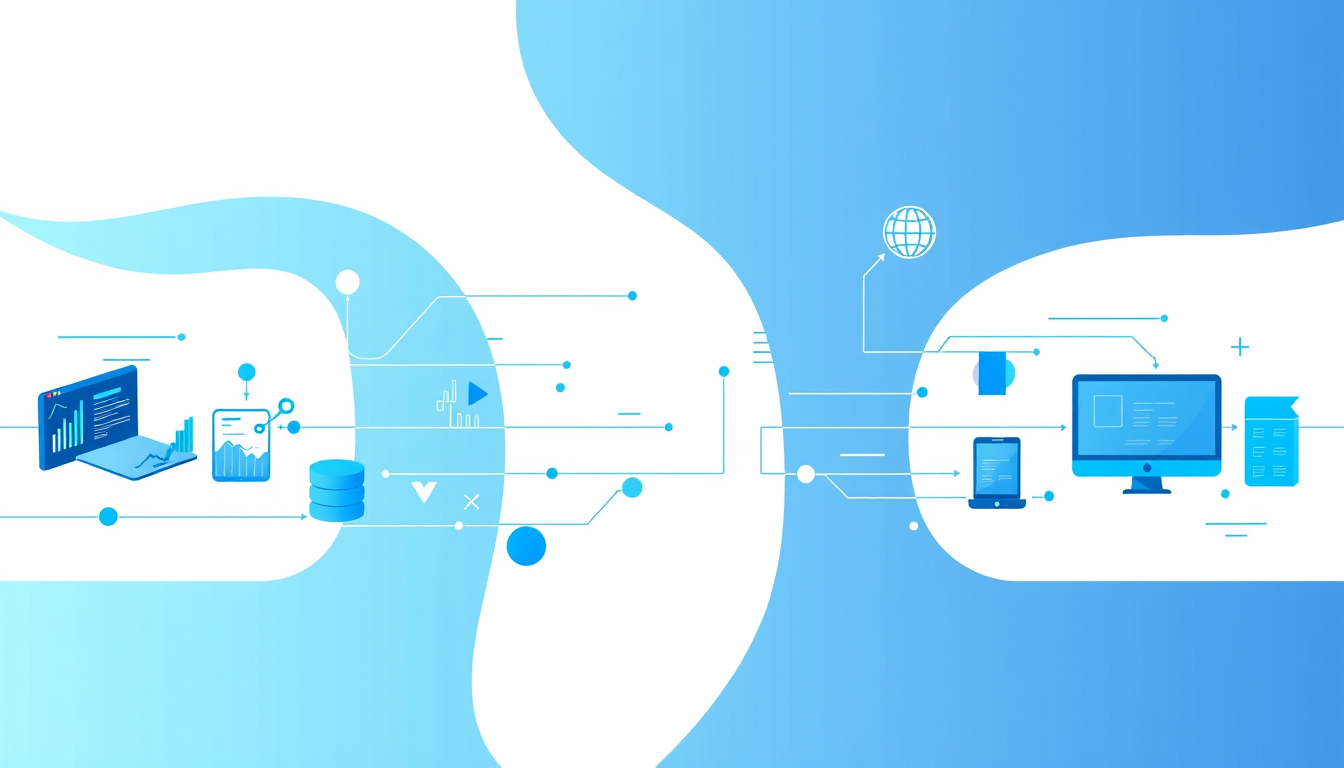
The reality? Oracle Integration Cloud, often called OIC, isn’t some mysterious black box. It’s built for everyone. Think about it: pre-built adapters for common applications like Salesforce, SAP, and, naturally, NetSuite. You’re not starting from scratch here. We’re talking visual process designers, drag-and-drop mapping, and low-code orchestration that truly lightens the technical load. Dead simple.
For a $75M distributor we worked with, their thorniest problem was connecting their old Warehouse Management System (WMS) with NetSuite ERP. Every single sales order meant manual data entry into the WMS. And inventory updates? A daily batch process that frequently caused stockouts or oversells. We used OIC to build a real-time integration. The platform’s AI-driven suggestions for data mapping between NetSuite’s Item Fulfillment records and the WMS fields slashed development time by nearly 30%. Their order-to-ship cycle plummeted from 48 hours to under 12 hours. That’s a game-changer.
What should you do instead? Focus on the business outcome, not some imagined technical hurdle. Identify the core data flows that are slowing you down or causing errors. A smart NetSuite integration strategy, especially when it involves OIC, puts these critical connections first. We’ve even used SuiteBundler to package and deploy integration-specific custom fields and workflows across different NetSuite environments, ensuring consistency from sandbox to production. It makes handling those integrations far less bumpy.
Myth #2: “Our Current Data Silos Aren’t That Big a Deal.”
This is another classic pitfall. We’ve hit companies doing over $100M in revenue with their CRM, ERP, and e-commerce platforms practically shouting at each other across an invisible wall. “We’ve always managed with spreadsheets,” they’ll say, or “our team is really good at reconciling.”
Here’s the thing: data silos are a silent killer. They breed inefficiency, introduce errors, and obscure the real picture of your business. How can you confidently make decisions about inventory purchasing if your sales forecasts in CRM aren’t talking to your actual inventory levels in NetSuite? You can’t. Not even close. We’ve seen companies lose hundreds of thousands in revenue because of missed sales opportunities stemming from inaccurate, siloed inventory data. Those are real `netsuite integration challenges`.
Consider a retail client doing $50M online. Their e-commerce platform wasn’t directly connected with NetSuite. Customer orders flowed into a separate system, then got manually entered into NetSuite for fulfillment. Returns were a nightmare, too. They didn’t have any real-time view of customer history or order status. After we implemented a solid NetSuite e-commerce integration using OIC, their customer service team could see everything in one place. Order accuracy shot up. And their return processing time? It was cut by 60%. That change directly boosted customer satisfaction and repeat business.
So what’s the fix? Stop tolerating those manual workarounds. Map out your critical business processes end-to-end, pinpointing every spot where data is manually transferred or duplicated. That’s where you’ll uncover the most impactful opportunities for the `integration cloud oracle` to truly shine. Prioritize integrations that impact cash flow, customer experience, or regulatory compliance.
Myth #3: “AI in ERP is Just a Buzzword, Not Practical for Us.”
You’re right to be skeptical of buzzwords. The tech industry loves to toss around terms like “AI” and “machine learning” without always explaining how they actually work in practice. But with NetSuite and Oracle Integration Cloud, AI isn’t just a marketing gimmick. Not even close.
AI features within OIC, for instance, aren’t about building a sentient robot to run your business. They’re about making the integration process sharper and tougher. Think about intelligent error detection: the system can flag anomalies in data flowing between NetSuite and other systems, often before they cause a problem. It can suggest data mappings based on historical patterns, cutting down on human error during setup. For more advanced use cases, it can even contribute to predictive analytics, helping you forecast demand with greater precision by analyzing historical sales and external market data.
We implemented an ‘AI NetSuite’ solution for a $20M manufacturing company that was really wrestling with demand planning. Their sales forecasting was rudimentary, often leading to either too much inventory or costly rush orders. But by integrating their sales data (from CRM) with historical production and supply chain data (from NetSuite), and layering OIC’s predictive features, they now get far more precise demand forecasts. This isn’t magic—it’s smart data analysis that helps them make sharper decisions. Their inventory carrying costs dropped by a solid 15% in the first year. (We’ve seen this firsthand).
Don’t dismiss AI out of hand. Instead, ask how it can tackle a specific, measurable problem in your business. Can it reduce data entry errors? Can it pinpoint potential bottlenecks in your supply chain? Can it make your financial reporting sharper? Those are the real-world applications of AI in `cloud erp systems` that truly move the needle.
Power Cloud ERP Delivers Clarity with Integration Cloud Oracle
The bottom line? You don’t have to work through these complexities alone. Here at Power Cloud ERP, our team lives and breathes NetSuite. We’ve seen firsthand the game-changing power of a smartly executed integration strategy, especially when it taps into the strengths of Oracle Integration Cloud.
We don’t just set up connectors. We dig into your unique business processes, pinpoint the critical data flows, and then design a sturdy, expandable integration architecture that brings real clarity to your operations. This often means tapping into NetSuite’s own features, like Custom Record Types, to track and manage integration-specific data points. It ensures absolutely everything is accounted for. Then we set up, test, and support it. We make sure your systems are truly talking to each other—accurately and in real-time.
Ready to bring clarity, confidence, and peace of mind to your business operations? Contact Power Cloud ERP for a free NetSuite consultation. We’ll show you how a strategic integration cloud oracle approach can untangle your most complex challenges and deliver real-world outcomes.